



Shockwave Therapy - Drop In
About the Appointment
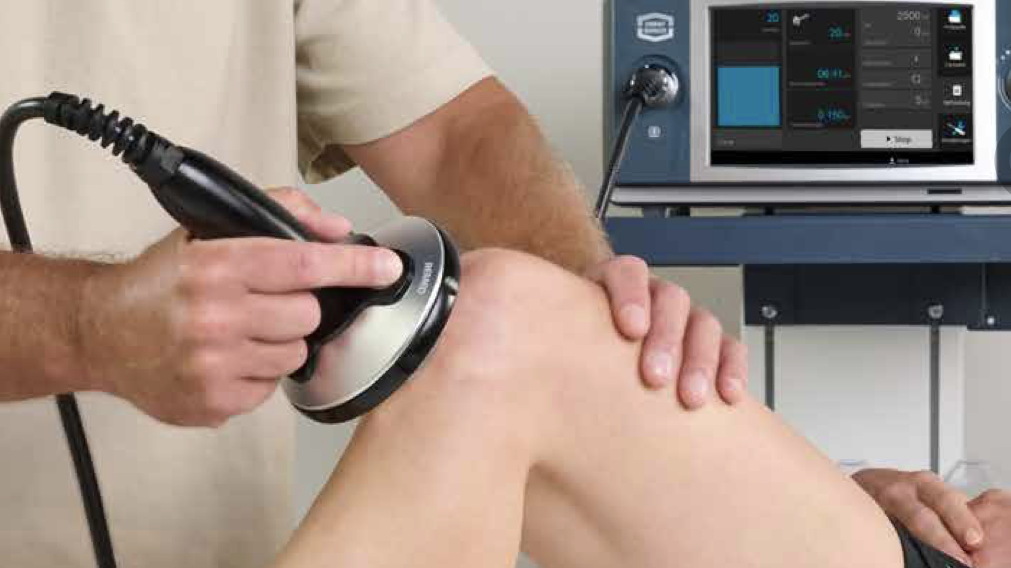
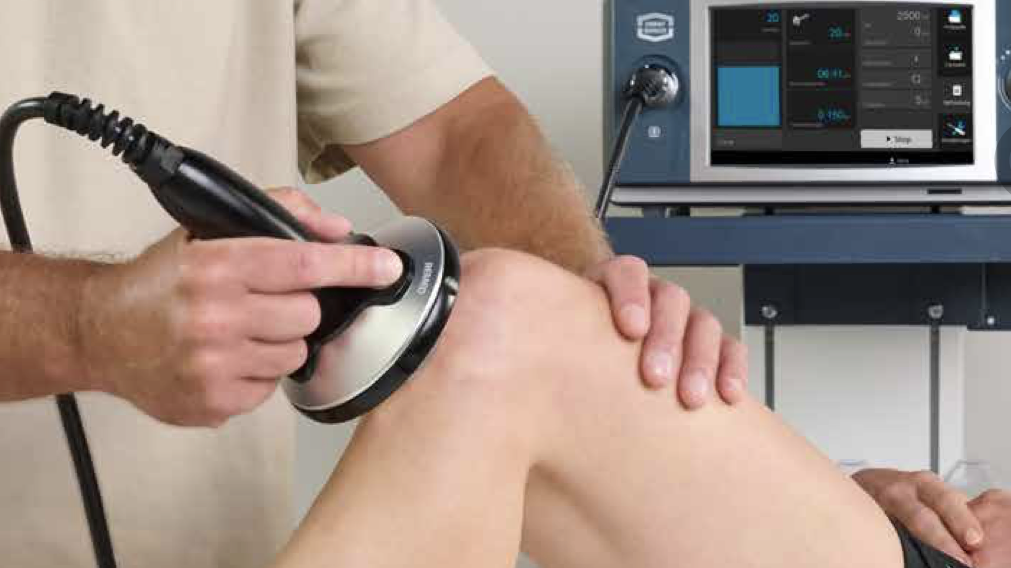
What Is Shockwave Therapy? Shockwave Therapy is a non-invasive, evidence-based treatment that uses high-energy acoustic waves to stimulate tissue repair, reduce pain, and accelerate recovery. Originally developed for breaking up kidney stones, it’s now widely used in sports medicine, orthopedics, and rehabilitation for its ability to trigger powerful regenerative responses in muscles, tendons, ligaments, and joints. By sending controlled sound waves deep into the body, Shockwave Therapy promotes circulation, collagen production, and cellular healing—helping resolve stubborn injuries and chronic pain that haven’t responded to other treatments. How Shockwave Therapy Works Shockwave Therapy delivers focused acoustic pulses into injured or painful areas. These waves create controlled microtrauma at the cellular level, stimulating the body’s natural repair mechanisms. Acoustic Pulses = Cellular Activation Cellular Activation = Faster Healing, Less Pain, Better Function Here’s what happens during treatment: Increased blood flow delivers oxygen and nutrients to damaged tissues. Fibroblasts are stimulated to produce new collagen, strengthening tendons and ligaments. Inflammation is reduced, and waste products are flushed away. Pain-signaling nerves are modulated, helping relieve acute and chronic discomfort. Scar tissue and calcifications are broken down, restoring mobility and tissue flexibility. Why OutRecover Clients Use Shockwave Therapy At OutRecover, Shockwave Therapy is especially beneficial for clients who are: Healing from stubborn tendon or ligament injuries (e.g., plantar fasciitis, tennis elbow, Achilles tendinopathy) Dealing with chronic muscle or joint pain Recovering from overuse injuries or repetitive stress Seeking drug-free, non-invasive pain relief Looking to accelerate healing and return to activity faster Managing post-surgical scar tissue or calcifications that limit movement What Clients Should Know A typical session lasts 10–20 minutes, depending on the treatment area. Most clients describe the sensation as a strong tapping or pulsing; it can feel intense, but it’s well-tolerated and brief. Improvements are often noticed after 1–3 sessions, though a full series (4–6 treatments) may be recommended for lasting results. No downtime—clients can typically resume daily activities immediately. Best outcomes occur when Shockwave Therapy is integrated into a structured recovery plan. When Shockwave Therapy Should Be Avoided Shockwave Therapy is generally safe but should be avoided or used with caution if you: Are pregnant Have a pacemaker or implanted electronic device near the treatment area Have active cancer or tumors at or near the treatment site Have blood clotting disorders or are taking anticoagulant medication Have open wounds, acute infections, or skin lesions in the treatment area Are under 18 and still growing (unless directed by a physician) Stacking Recommendations for Shockwave Therapy Shockwave Therapy stacks well with PEMF Therapy, Class IV Laser Therapy, Red Light Therapy, and HBOT. These modalities enhance circulation, reduce inflammation, and accelerate tissue repair—while Shockwave provides the mechanical stimulus to “wake up” the healing process. Used together, they create a powerful synergy for resolving pain, restoring function, and getting clients back to peak performance faster.