
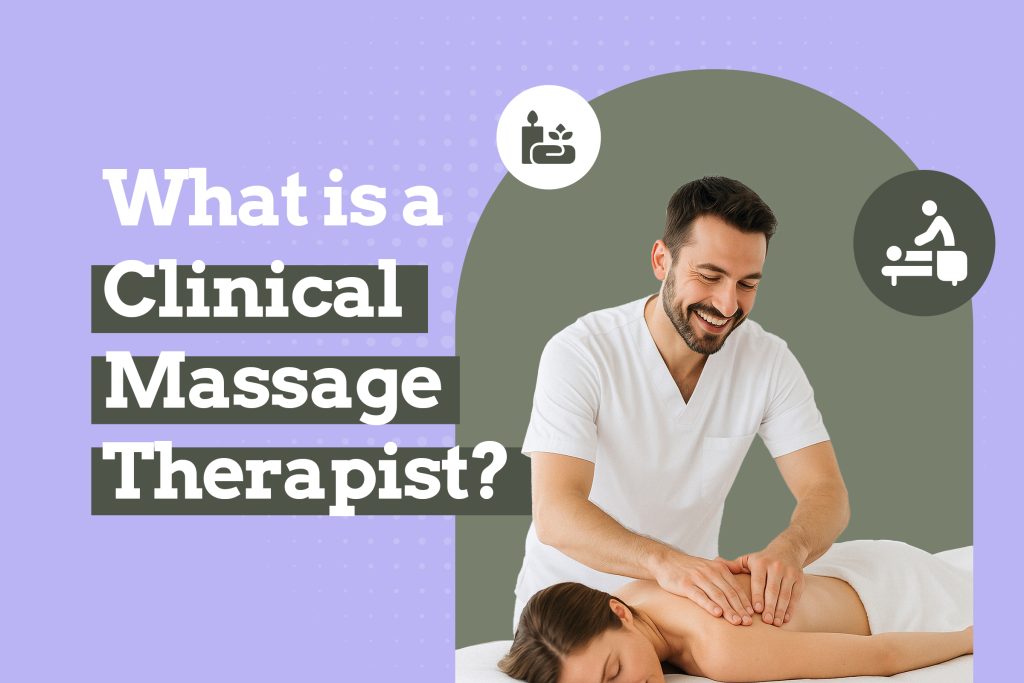
What is a Clinical Massage Therapist?
Last Updated on 30 January, 2026
Clinical massage therapy is a specialized branch of massage that focuses on the therapeutic treatment of pain, injury recovery, and chronic musculoskeletal issues.
Unlike relaxation massage, clinical massage therapy emphasizes medically-informed techniques tailored to individual conditions and healing goals. This practice is a key part of rehabilitative care and is growing in demand—especially in professional clinics looking to offer comprehensive, outcome-driven services.
- Defining the Role of a Clinical Massage Therapist
- Training and Certification Requirements
- Techniques Used by Clinical Massage Therapists
- Benefits of Clinical Massage Therapy
- Choosing the Right Clinical Massage Therapist
- Learn more about succeeding as a clinical massage therapist
- How WellnessLiving Supports Clinical Massage Therapists
- ❓ Clinical Massage Therapists: FAQs ❓
Defining the Role of a Clinical Massage Therapist
Expertise in Pain Management
Clinical massage therapists (CMTs) are trained professionals who apply targeted techniques to manage pain, enhance healing, and restore function. Whether it’s addressing chronic lower back pain, neck stiffness, or injuries from sports or repetitive strain, CMTs use deep tissue manipulation, trigger point therapy, and postural assessments to alleviate discomfort and promote recovery. These interventions help reduce inflammation, improve blood flow, and decrease muscle tightness.
Collaboration with Healthcare Professionals
CMTs often operate as part of a multidisciplinary healthcare team. They may work in tandem with physical therapists, chiropractors, or physicians to develop integrated treatment plans tailored to a patient’s medical history and therapeutic needs. This collaborative approach ensures continuity of care and maximizes treatment effectiveness, making CMTs invaluable assets in clinical settings.
Training and Certification Requirements
Educational Background
To become a clinical massage therapist, individuals typically complete a rigorous program that covers anatomy, physiology, pathology, and specialized therapeutic techniques. Coursework often includes hands-on practicum components and advanced training in medical massage, injury treatment, and patient assessment.
Licensing and Continued Education
In most U.S. states and Canadian provinces, CMTs are required to obtain licensure, which may include passing exams such as the National Certification Board for Therapeutic Massage and Bodywork (NCBTMB). Many therapists also pursue ongoing education to stay current with evolving practices, enhance their expertise, and maintain certification status. This commitment to lifelong learning ensures high standards of care and innovation.
Techniques Used by Clinical Massage Therapists
Myofascial Release and Trigger Point Therapy
CMTs frequently employ myofascial release techniques to stretch and loosen the connective tissues surrounding muscles. Trigger point therapy is used to identify and deactivate muscle knots that cause referred pain. These methods are highly effective for relieving deep tissue tension, improving posture, and restoring mobility.
Sports and Injury-Specific Massages
Whether treating athletic injuries or supporting post-surgical rehabilitation, clinical massage therapists apply precise, customized techniques to aid healing. These may include neuromuscular therapy, deep friction massage, and stretching protocols that reduce scar tissue formation and accelerate recovery timelines.
Benefits of Clinical Massage Therapy
Enhancing Mobility and Function
By reducing muscular imbalances and improving joint range of motion, clinical massage therapy can significantly enhance physical performance. It helps clients regain mobility lost to injury or chronic tension, making it especially valuable in rehabilitation and sports performance settings.
Supporting Stress and Pain Relief
Pain relief doesn’t just benefit the body—it also supports mental well-being. Clinical massage reduces the physical symptoms of stress, such as tension headaches and fatigue, contributing to a sense of overall calm and improved mental clarity. This holistic benefit is increasingly appreciated in modern wellness models.
Choosing the Right Clinical Massage Therapist
Assessing Credentials and Specializations
When selecting a clinical massage therapist, clients should verify professional credentials, certifications, and areas of expertise. Therapists with experience in specific conditions—such as fibromyalgia, TMJ disorders, or sports injuries—offer more targeted and effective care.
Understanding Treatment Goals
An effective therapeutic relationship begins with clear communication. Encouraging clients to outline their pain points, goals, and medical history helps therapists design personalized treatment plans. This ensures that every session is both safe and results-driven.
Learn more about succeeding as a clinical massage therapist
- Massage Therapy Booking Software: The Secrets of Scheduling
- Massage Therapy Marketing: 15 Effective Ideas to Explore
- Massage Technology: Software Features That Will Transform Your Practice
- From Frustrated to Empowered – One Massage At A Time’s Successful Switch from MindBody
- Med Spa Tipping Etiquette: A Business Owner’s Complete Guide
How WellnessLiving Supports Clinical Massage Therapists
Running a massage clinic shouldn’t be a source of stress. That’s why WellnessLiving offers an all-in-one software solution tailored to the needs of clinical massage therapists and studio owners. Our platform makes it simple to:
- Schedule appointments and manage availability through an intuitive calendar
- Track client progress and session notes with secure digital record-keeping
- Automate communication with personalized reminders and follow-ups
- Streamline billing and payments with integrated POS and invoicing
👉 Book a free demo with WellnessLiving today to see how we can help you focus more on healing your clients—and less on juggling administrative tasks.
❓ Clinical Massage Therapists: FAQs ❓
A clinical massage therapist focuses on therapeutic techniques that address specific conditions or injuries. They use assessment, treatment planning, and targeted hands-on work. General massage typically emphasizes relaxation, while clinical work prioritizes function and recovery.
Clients often choose clinical massage when they have pain, decreased mobility, or post-injury concerns. It can be appropriate before or after physical therapy. A clinical therapist listens to symptoms and works with goals like pain reduction or improved movement.
Clinical massage can support clients with muscular tension, postural imbalance, repetitive strain, and some chronic discomfort. It may enhance recovery by improving circulation and reducing tension. Results vary by individual, and therapists often adjust techniques based on client feedback.
Describe outcomes in clear, client-focused language. Explain how clinical massage addresses specific needs and supports recovery goals. Use testimonials and real examples of improved function. Clear expectations help clients understand the difference in approach and benefits.
Clinical massage therapists typically complete a licensed massage program plus specialized training in therapeutic assessment and treatment. Advanced continuing education in orthopedic or clinical techniques is also common. Credentials and ongoing training indicate a commitment to high-quality care.