10 KPI Tracking Metrics the Every Studio Needs to Watch

Last Updated on 19 February, 2026
You can’t grow what you don’t measure. But what actually matters? This session gives you a simple, focused framework for tracking KPIs that reflect real performance and client health.
Join this session to learn:
- What engagement and retention metrics drive business growth
- How to calculate key ratios and interpret the results
- Where to find these numbers in your dashboard
- How to use metrics to make decisions and spot trends

Tracking the right KPI metrics is non-negotiable for studio success. These numbers help you see what works and what needs improvement. Studios that monitor their data grow faster and stay ahead of competitors. The metrics below cover revenue, retention, engagement, and operational performance.
Every studio owner should know them and track them regularly.
1. Member Retention Rate
Member retention rate shows how many members stay with your studio over time. It affects long-term revenue and studio stability. A high retention rate means members love your programs and coaching. If retention drops, act fast to keep members engaged.
2. Monthly Recurring Revenue (MRR)
Monthly recurring revenue reveals how much predictable income your studio earns each month. This metric helps you forecast growth and manage cash flow. Tracking MRR lets you measure pricing strategy success and program value.
3. Class Attendance Rate
Class attendance rate measures how full your classes are. High attendance means your schedule matches member demand. Low attendance signals a need to adjust your offerings or marketing. This metric also boosts instructor scheduling and class planning.
4. Lead-to-Member Conversion Rate
Lead-to-member conversion rate shows how many prospects join after their initial inquiry. Improving this metric means more efficient marketing and sales. You can boost conversions with targeted offers and better follow-ups.
5. Member Acquisition Cost (MAC)
Member acquisition cost tells you how much you spend to gain each new member. The lower your acquisition cost, the more profitable your studio becomes. Comparing MAC with member lifetime value (LTV) reveals your true marketing ROI.
6. Lifetime Value (LTV)
Lifetime value estimates how much revenue a member will bring over their entire time with your studio. A high LTV shows member loyalty and strong financial performance. Pairing LTV with MAC helps you set sustainable growth goals.
7. Net Promoter Score (NPS)
Net promoter score reveals member satisfaction and likelihood to refer others. A strong NPS often leads to free referrals and better online reviews. Tracking NPS boosts your community reputation and word-of-mouth growth.
8. Instructor Utilization
Instructor utilization shows how effectively your team fills its available hours. It helps you match staffing to demand and avoid overstaffing. Better utilization enhances member experience and profitability.
9. Cash Flow and Profitability Metrics
Cash flow and profitability metrics show your studio’s financial health. Monitoring income versus expenses helps you plan ahead and cover costs like rent and payroll. Positive cash flow allows you to reinvest in growth.
10. Equipment and Resource Metrics
Tracking equipment usage and maintenance costs prevents breakdowns and ensures safe member experiences. Resource metrics also help manage inventory for retail and pro-shop sales.
Tracking these must-know studio metrics gives you a clear picture of business health. Start measuring them monthly to fuel growth and build a stronger, smarter studio. If you’ve never measured metrics like these, don’t be intimidated!
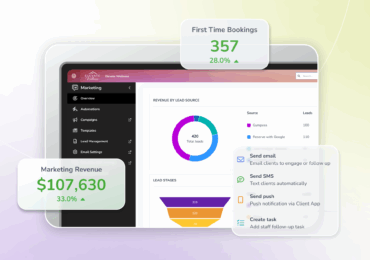
WellnessLiving comes with built-in reporting so you can access KPIs like these and more at a glance. Want to see how it works? Book your free, no-commitment demo today!
❓ Key Metrics Every Studio Should Track: FAQs ❓
Why is tracking metrics essential for a fitness or wellness studio?
Tracking metrics shows what’s actually working in your business. Without data, decisions rely on guesswork. Metrics reveal trends in membership, retention, revenue, and attendance so you can adjust strategies with confidence rather than assumptions.
What financial metrics should every studio monitor regularly?
Monitor revenue growth, average revenue per client, and profit margins. Track recurring revenue versus one-time purchases to understand stability. Watching these numbers helps you plan budgets, refine pricing, and forecast future performance with clarity.
How do client behavior metrics improve studio operations?
Client behavior metrics like attendance frequency and booking patterns show how engaged members are. If attendance drops before cancellations, you can intervene sooner. These signals help you tailor communication, refine class timing, and support retention proactively.
What marketing performance metrics matter for studios?
Track lead volume, conversion rates from inquiry to trial, and trial to membership. Also, watch the cost per lead and the cost per acquisition. These metrics show which campaigns bring real bookings and where you should refine messaging or channel focus.
How often should studios review their key performance metrics?
Review core metrics weekly for short-term operational adjustments and monthly for strategic trends. Quarterly reviews support bigger decisions like pricing changes or staffing plans. Consistent review cycles keep your business agile and responsive to real outcomes.
About the author: