
Lagree Is the Boutique Fitness Trend Owners Cannot Ignore
Last Updated on 23 November, 2026
If you’ve noticed a new Megaformer studio going up near your Pilates space, or a client asking why your reformer class feels different from the one her friend raves about, you’re already seeing the Lagree fitness trend play out in your own market.
This isn’t a passing fad. Lagree has grown into one of the fastest-expanding boutique fitness categories in the country, and independent studio owners are now facing real decisions about how to respond, whether that means adding equipment, repositioning existing classes, or simply understanding the trend well enough to talk about it with clients.
It’s a good moment to look at what’s actually happening and what it means for your studio.
- What’s Driving the Lagree Fitness Trend Right Now
- Why Clients Keep Confusing Lagree With Reformer Pilates
- Megaformer Room, Studio Partnership, or Classic Reformer?
- Pricing Lagree-Style Classes as a Premium Tier
- Building an Instructor Cert Pipeline Without Overloading One Coach
- Marketing the Difference Without Trashing Pilates
- Riding the Trend Without Losing Your Studio’s Identity
What’s Driving the Lagree Fitness Trend Right Now
The numbers explain the buzz. Lagree, the method built around a resistance machine called the Megaformer, has grown to roughly 700 licensed studios across more than 45 countries, according to reporting from the Los Angeles Times. ClassPass has separately named it one of the fastest-growing workout categories on its platform in the U.S. That combination, rapid studio growth plus strong consumer demand, is exactly why the Lagree fitness trend keeps showing up in local fitness conversations even outside its Los Angeles roots.
Solidcore-style Megaformer concepts have accelerated the pattern further, normalizing the format for people who’ve never set foot in a dedicated Lagree studio. For boutique owners, that means client curiosity is arriving faster than most studios can plan for it.
Why Clients Keep Confusing Lagree With Reformer Pilates
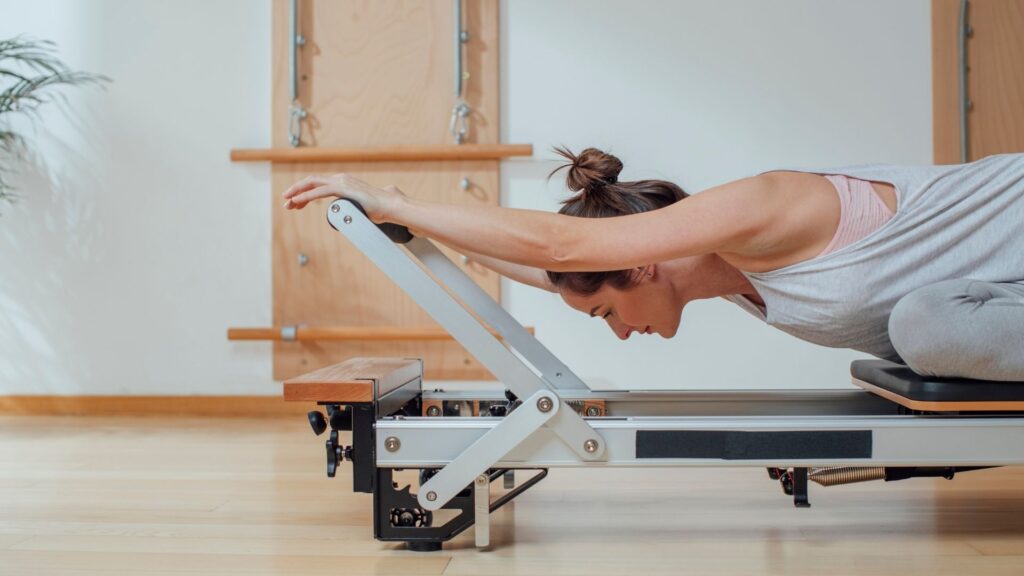
Part of what makes this trend tricky to navigate is that clients often can’t tell Lagree and reformer Pilates apart at first glance. Both use a moving carriage, springs for resistance, and slow, controlled movement, so the visual overlap is real. The difference shows up in the details: a Megaformer is longer, uses more spring tension, and is built for a faster-paced, strength-and-cardio hybrid format, while a traditional reformer favors precision and range of motion over intensity.
That confusion isn’t a client’s fault, and it’s not something to correct with a lecture. It’s a marketing opportunity. Studios that can clearly explain the difference, without implying one method is superior, tend to earn trust faster than studios that let the confusion sit unaddressed.
Megaformer vs. Classic Reformer
| Feature | Megaformer (Lagree) | Classic reformer |
|---|---|---|
| Carriage & cables | Longer platform, four cables | Standard platform, two cables |
| Movement pace | Faster, cardio-driven | Slow and controlled |
| Spring tension | Multiple settings, higher tension | Fewer settings, lighter tension |
| Primary focus | Strength + cardio hybrid | Precision, alignment, control |
| Class length | 45–50 minutes | 45–55 minutes |
| Typical pricing | Premium over standard reformer | Standard studio pricing |
Megaformer Room, Studio Partnership, or Classic Reformer?
This is the decision most owners are actually wrestling with, and there isn’t one right answer. Adding a dedicated Megaformer room means licensing costs, certified instructors, and a real bet on sustained local demand. Partnering with or referring to a licensed Lagree studio nearby avoids that investment while still letting a Pilates studio participate in the conversation clients are already having. Staying with classic reformer work and simply refining the client experience is a perfectly reasonable third option, especially in markets where Lagree hasn’t fully saturated yet.
One detail worth naming directly: off-brand “sculpt-former” equipment marketed as a cheaper alternative to licensed Megaformers carries real risk. Beyond the intellectual property questions, unlicensed equipment often lacks the build quality, warranty support, and instructor training pipeline that make the Lagree brand recognizable to clients in the first place.
A studio that leans into the trend is usually better served by a genuine license or a clear, honest distance from it, rather than something that tries to look like Lagree without being it.
Pricing Lagree-Style Classes as a Premium Tier
Whichever path a studio chooses, pricing needs to reflect what the format actually costs to run. Licensed Megaformer classes typically command a premium over standard reformer pricing, and clients researching the method already expect that. Studios repositioning around a fall relaunch have found real success bundling higher-tier formats into short, structured commitments rather than open-ended memberships, giving new clients a clear finish line instead of a vague ongoing cost.
The same logic applies well to a Megaformer launch: a limited founding cohort with locked-in pricing creates urgency without resorting to discounting, the kind of structure boutique studios have used successfully when introducing a new class format for the first time.
Building an Instructor Cert Pipeline Without Overloading One Coach
Certification is the real bottleneck behind most Lagree launches. Official instructor training takes time and money, and it’s tempting to lean on a single enthusiastic teacher to carry the entire new program. That’s a fast route to burnout and a scheduling gap the moment that instructor takes a vacation. Building a pipeline of two or three certified instructors from the start, even if it means a slower rollout, protects both the class quality and the people teaching it.
Pay structures matter here too, since premium formats often justify a different rate than standard group classes, and getting that calibration right from day one, alongside clear scheduling and coverage across the team, avoids awkward renegotiations once the program is popular.
Marketing the Difference Without Trashing Pilates
The instinct to market Lagree by putting down Pilates is understandable, but it tends to backfire. Clients who love reformer Pilates aren’t looking for a fight, and a studio’s Pilates program is likely still paying the bills while the Megaformer room finds its footing. The better approach is to market both formats on what each one does well: Pilates for precision, control, and low-impact strength; Lagree for intensity and a faster-paced full-body burn.
This is also where local search matters more than most owners expect. Someone searching “pilates” plus their city and someone searching “lagree” plus their city are often the same person at different points in their decision, and a studio’s website needs pages built to catch both. A well-built, SEO-structured website makes it possible to rank for both terms without diluting either one, and a class catalog built around clear passes and packs lets a studio sell a Lagree class-pack differently from a Pilates membership on the same booking page, without the two competing for the same client’s attention.
Riding the Trend Without Losing Your Studio’s Identity
The Lagree fitness trend isn’t going away this year, and boutique owners who treat it as pure noise risk losing curious clients to whichever studio answers their questions first. Whether that means a full Megaformer buildout, a referral partnership, or simply a well-informed front desk, the studios that come out ahead will be the ones that took the trend seriously without abandoning what made their Pilates program work in the first place.
If you’re ready to build out class types, pricing tiers, and the branded website creator to support either direction, a demo of WellnessLiving’s booking and website tools is a good place to start.