Retention is Revenue: Keep Members and Staff for the Long Haul
Last Updated on 27 February, 2026
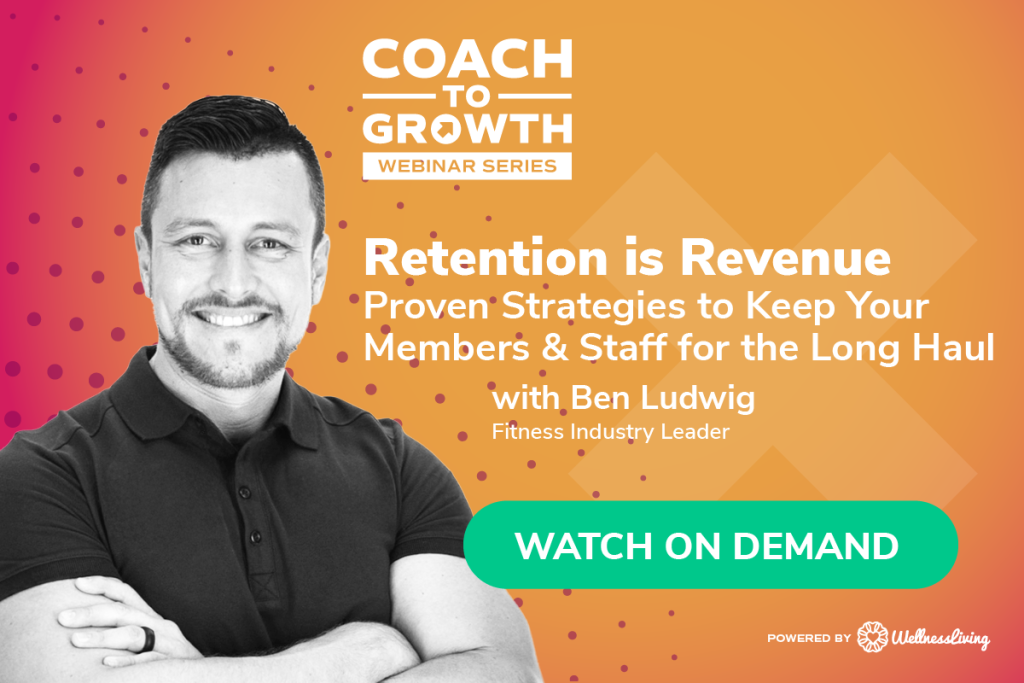
Want to build a thriving business with loyal members and a dedicated team? Now’s your chance to learn proven retention strategies that will help you create lasting engagement and drive long-term growth!
You can now access expert insights from Ben Ludwig, a globally recognized fitness industry leader, in this Coach to Growth webinar—now available on demand!
Ben has helped fitness businesses around the world create retention strategies that boost engagement and drive long-term revenue. In this session, he shares a step-by-step playbook to help you turn retention into a powerful growth strategy.
In this webinar, you’ll learn how to:
- ✅ Stop churn before it starts – Use the 30-Day Rule to improve retention from day one
- ✅ Create onboarding experiences that lock in loyalty for both members and staff
- ✅ Build a strong business culture that keeps people engaged long-term
- ✅ Implement a retention playbook designed for sustainable growth
If you want to keep more members, retain top staff, and maximize revenue, this session is a must-watch!
🎥 Use the form on the right to watch the full webinar on demand now! Or if you’re ready to see how WellnessLiving can help boost your retention rates, book a free, no-commitment demo today!
❓ Retention Is Revenue: FAQs ❓
Why is member retention more important than constantly acquiring new leads?
Retaining members increases predictable revenue and reduces acquisition costs. Long-term clients spend more on services, upgrades, and referrals. When retention improves, growth becomes more sustainable without overspending on marketing.
How can I make members feel valued and connected to my business?
Provide consistent follow-up, personalized communication, and structured progress paths. Regular check-ins and recognition strengthen bonds. When members feel seen, they identify more with your studio and stay engaged longer.
What role does staff retention play in overall member satisfaction?
High staff turnover disrupts service quality and client trust. Consistent instructors build relationships that deepen engagement. When staff feel supported and valued, they deliver better experiences and help improve retention from both sides.
How do I know when a member is at risk of leaving?
Watch for reduced visit frequency, missed bookings, or skipped follow-ups. A sudden drop in engagement often signals disengagement. Tracking these behaviors lets you reach out early with supportive offers or check-ins.
What strategies help keep both members and staff for the long haul?
Create clear progression paths, regular feedback loops, and recognition programs. Use software to automate reminders and track engagement trends. Support work-life balance for staff to prevent burnout. When both members and staff feel supported and valued, long-term relationships flourish.
About the author: