
NeJaime PT Pilates: Where Physical Therapy Meets the Reformer
Last Updated on 10 July, 2026
How a Vermont-based doctor of physical therapy built a clinical Pilates practice around a two-decade conviction — and why the software running it had to be built for the work, not just the booking.
A Therapist’s Take on Pilates
Lori NeJaime built NeJaime PT Pilates around a conviction she has carried for two decades: Pilates is most powerful when it sits inside a clinical frame. A doctor of physical therapy with a long history of working with Olympic athletes, NATO officials, Michelin-star chefs, and Fortune-tier executives across Europe, Lori spent seventeen years running her own practice in the Netherlands before returning to the United States.
Her mission then is the same mission now — bring Pilates in as a form of therapeutic treatment, not just exercise.
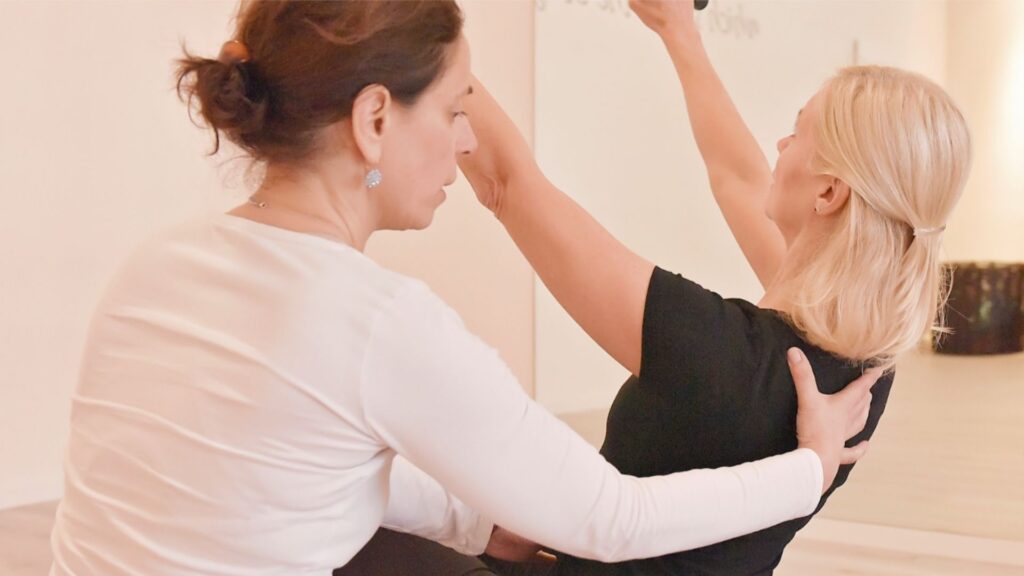
What sets her apart is the lens. Most Pilates studios teach movement. Lori reads bodies. She watches gait, screens for injury risk, evaluates alignment, and then prescribes — sometimes a class, sometimes a private session on the reformer, sometimes a two-part Essential Alignment consultation for people who have hurt themselves doing online workouts at home. The studio is small by design. Capacity caps at four. Personalization is the product.
A Practice Built on a Point of View
Lori’s philosophy comes through in how she structures her offerings. There is a classical Pilates track for clients who want the traditional method. There is a clinical track that draws directly on her PT background — neck and shoulder work, low back and hip work, and a neurological track for clients with specific conditions. And there is Essential Alignment, a signature two-part course she designed for the growing population of people getting hurt working out alone at home.
“I love Pilates. I’ve been doing it for 20 years, and integrating that with PT is just so effective.”
Her clientele has always skewed toward people who expect a high standard — executives, athletes, performers, longtime devotees in their seventies and eighties who followed her in the Netherlands for nearly two decades. The Vermont practice carries that same standard into a smaller, more intimate setting.
How the Studio Operates
NeJaime PT Pilates runs on three service lines.
Personal training appointments are the studio’s premium offering. Sessions run 55 minutes on the reformer, tower, and chair, with a five-minute buffer between bookings. Pricing is $150 per session, sold as drop-ins, five-session packs, or ten-session packs.
Group classes cap at four students. The schedule includes beginner Pilates, mat classes across multiple levels, and the specialized clinical classes — neck and shoulder, low back and hip, and neurological Pilates. Drop-ins run $30. Five- and ten-class passes include a built-in discount and are valid for eight weeks from the date of purchase. A six-week beginner course runs as a closed cohort and must be purchased as a pack, not as drop-ins.
Essential Alignment is the signature consultation — a two-part session where Lori reviews a client’s at-home workout, evaluates technique and anatomy, and builds an injury-prevention plan. It can be booked solo at $150, as a duo at $100 per person, or as a trio at $67 per person. Clients can return after three months for a follow-up check.
Classes run primarily in the evenings, with personal training slots also available in the early morning. Lori operates with no other staff and runs the entire administrative side herself.
Why Lori Chose WellnessLiving
After comparing her options, Lori chose WellnessLiving — software built for Pilates studios that covered scheduling, memberships, payments, automated marketing and more in one platform.
She also needed software that could handle a hybrid practice. Lori’s long-term vision includes remote sessions for international clients — including return work with Michelin-star restaurants in France and the Netherlands, where she conducts staff biomechanics workshops.
That meant scheduling virtual classes and one-on-one virtual sessions alongside in-person work, with integrated video rather than managing Zoom links manually. WellnessLiving’s FitLive provided that without requiring a separate platform.
She wanted a real client app, not just a booking widget.
Lori’s clients needed a clean mobile experience for booking, managing packs, and tracking remaining sessions. The Achieve client app gave them that. The Elevate staff app gave Lori the other side — managing the schedule, taking payments, and viewing client profiles between sessions, from her phone.
The clinical track required granular pack controls. A five-pack of personal training sessions had to expire eight weeks from the sale date, not from first use. The six-week beginner cohort had to be locked to one session per week so clients could not move through it at their own pace. WellnessLiving’s purchase option configuration handles both — sale-date activation, time-bound expiration, and per-pack attendance restrictions.
Every client needs a waiver and an intake form. Because Lori’s work draws on her PT background, every new client signs a liability waiver at registration and completes an intake form covering injuries, posture habits, and goals before their first session. WellnessLiving builds the waiver into the registration flow and attaches the intake form to the first booking — both required, both stored on the client profile alongside session notes.
She needed payments consolidated in one system. With clients buying packs at varying price points and a custom gift card program running alongside drop-ins and payment plans, Lori needed everything in one set of books. Integrated payments keep drop-ins, packs, gift cards, and payment plans inside the same reporting view.
How WellnessLiving Fits the Operating Model
The clinical track is what makes Lori’s setup distinct, and three WellnessLiving capabilities map directly to how she runs it.
Service categories that separate appointments from classes from consultations. Personal trainings, classes, and Essential Alignment each have different capacities, different durations, and different purchase rules. WellnessLiving keeps them as separate service types with their own pricing, their own packs, and their own visibility on the schedule — color-coded so Lori can see her day at a glance.
Custom intake forms tied to specific services. The Essential Alignment form asks clients to describe their at-home workout, flag injuries, and identify what they want assessed. It only fires when a client books Essential Alignment for the first time — not every booking, not on registration. That gating keeps the friction low for repeat clients while ensuring Lori walks into every new consultation with the context she needs.
Working hours and booking windows that reflect a shared space. Lori’s availability changes by day. Working hours in WellnessLiving define exactly when clients can book personal trainings — early mornings and evenings — while the booking buffer prevents back-to-back sessions from colliding. Clients only see slots Lori can actually take.
What Lori Is Building
The practice Lori NeJaime is building in Vermont is the same practice she spent seventeen years developing in the Netherlands — just smaller, more focused, and closer to home. Four clients in a room. A reformer, a tower, a chair. A clinical eye trained on twenty years of bodies in motion.
The six-week beginner cohort that fills before it starts. The Essential Alignment consultation that turns into a duo when a client brings their spouse. The international client in France who books a virtual session because Lori is the person they trust with their back.
That is what NeJaime PT Pilates is: a sole practitioner with two decades of clinical expertise, a point of view that most studios cannot replicate, and a booking system quiet enough to stay out of the way while she does the work she trained for.
Evaluating fitness studio software for a Pilates practice, a clinical movement studio, or a hybrid in-person and virtual model? See how WellnessLiving compares to Mindbody and other platforms.