
How to Teach Martial Arts to Children
Last Updated on 5 February, 2026
Teaching children martial arts boasts a wide array of benefits. So, it’s no surprise that there’s a high demand on the market for children’s martial arts. And for passionate dojo owners like yourself, it’s probably already a big part of your studio.
To list a few benefits:
- Practicing martial arts instills life skills such as discipline, motivation, and respect
- Training for the craft shows children how to connect with themselves
- Martial arts teach children how to deal with challenges and resolve conflicts
- It helps them gain self-confidence
- It’s a great option for physical activity
When it comes to teaching children martial arts, a lot of factors come into play. Many studios tend to sideline children and treat them as “mini-adults”. That’s not a good idea. Children are very different than their fully-grown counterparts. So naturally, that means teaching them new skills will require different techniques and varied approaches.
The two main reasons why teaching children martial arts is different than teaching adults come down to psychological and physical differences. Let’s delve a little deeper into both.
Psychological differences
Children are more open to new ideas and are faster learners due to their still-developing prefrontal cortex. While this indicates they can grasp new skills easily, this also means they are more susceptible to frustration when things don’t go well.
Children have shorter attention spans
Cognitive differences between children and adults mean the little ones naturally have shorter attention spans.
When teaching children martial arts, it’s crucial that you have a lesson plan with multiple backup options to keep your students on their toes. Doing this will minimize boredom and keep their energetic brains entertained.
It’s a wonderful idea to incorporate games into warm-ups. Get your kids up and moving without letting them think they’re doing anything else other than having fun.
Break your lessons into smaller segments with a variation of different moves and activities. Children are easily distracted, but you can use that to your advantage by “distracting” them with a new drill every few minutes. Look at you outsmarting human nature!
Children need more attention
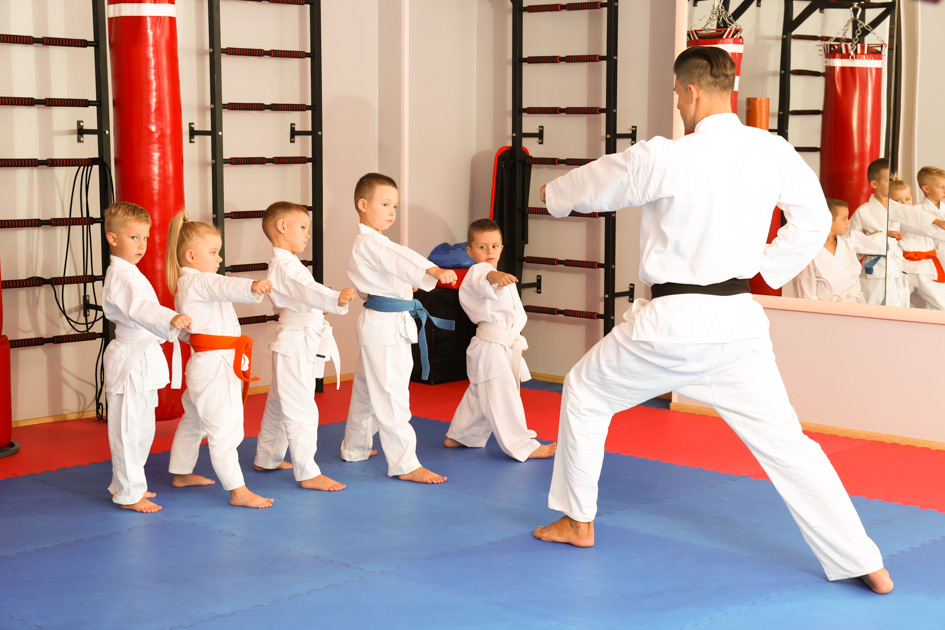
When teaching children martial arts, you need to take a more hands-on approach. Practice drills and the reps with them (yes, do all the reps with them) instead of just demonstrating at the beginning. They’ve seen enough of teachers lecturing them from the front of the classroom during regular school hours; they are here with you to have some fun. So, make it fun and do the drills with them, and you’ll find that children will actually learn better through mimicry.
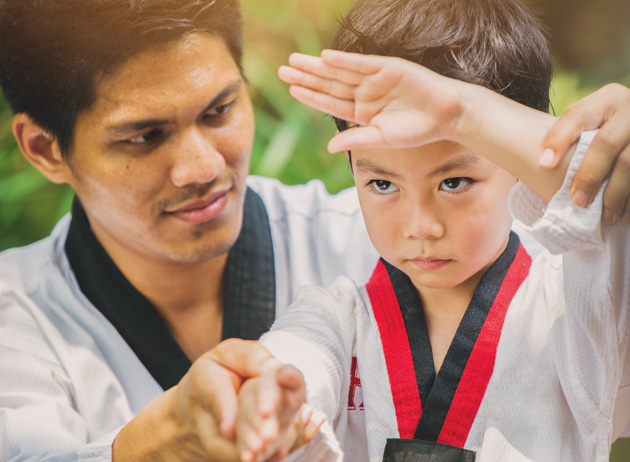
Children also have less control over their emotions; when they feel something, they feel just that. This is great when they are happy, but not so great when they are frustrated or upset. It’s important to watch them closely during sparring sessions to prevent any mishaps and remind them that martial arts should be used in self-defense only.
Lastly, their love for attention makes them extremely vulnerable to suggestions, so positive reinforcement is key. When they do something right, applaud them. When they don’t, don’t scold. Instead, firmly but gently explain what they could’ve done better and applaud them for something they did do well.
Children need more validation
This ties in with children having shorter attention spans: kids need to feel like they are advancing every step of the way, or else they might lose interest.
Consider creating grades within a belt level to show children their progress. This will go a long way towards keeping them motivated. Waiting 4-6 months between each belt level may feel justified and typical to adults, but forever to children.
Additionally, when teaching the little ones a new drill or technique, it’s crucial to remember to never patronize or take over for them. Children learn best by doing, so if you take over a drill “just to show them how it’s done”, you’re actually setting them back.
Children learn differently
The difference stems from a combination of previous experience and brain function. In addition to children’s still-developing prefrontal cortex, they also have less knowledge due to the simple fact that they haven’t lived as long.
So, for this reason, be considerate of language differences between children and adults. Combine memorable movements or sounds with new moves to help them remember the names and use simpler terms when walking them through different techniques.
To follow up with using sound: children love to scream. So, let them. Encourage kids to make lots of noise during warm-ups and games. This energizes them and puts them in a mindset of contentment and freedom, which in turn is an ideal state of learning.
Physical differences
Aside from the obvious differences in height and weight, there are some other physical differences between children and adults to keep in mind.
Children have shorter spurts of greater energy
If you’ve ever interacted with children, then you know how hyper they can get…and how fast they can crash. While the science behind why this happens still isn’t solid, you can still work around it.
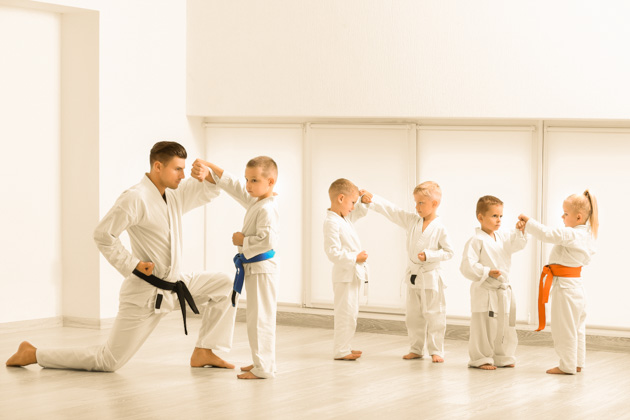
Plan shorter classes to catch them in their energetic prime. To make up for the “lost hours”, plan consecutive classes with less time in between. For instance, instead of a 2-hour class once a week, schedule 1-hour classes twice a week.
When it comes to practicing drills and exercises such as push-ups and sit-ups, assign your younger students fewer strenuous repetitions. Not only do they require different levels of conditioning than adults,but they also have fewer muscle fibers to carry them through it all.
Additionally, don’t assign exercise as a penalty. When you discipline with push-ups or laps, you create the association of physical activity with punishment. Not only will this be ineffective, but it will also create a lifelong distaste for exercise that will subconsciously carry into adulthood. If you need to discipline a student for disrupting a class (or any other reason), consider putting them in a time-out. Children love to move and play, so when they see their classmates having fun while they have to sit still on the side, that’s going to do the trick.
Children are more flexible
Little ones are naturally more limber than adults. This means that when teaching children martial arts, you should organize a shorter stretching time. Excessive stretching may bore them at best and injure them at worst. Consider incorporating active stretching as you do with adults, just with a tad less time on the clock.
Make stretching time fun with games (such as imitating animals). Bonus points if you let them make some noise while doing it!
Warm-ups and stretches aside, keep a mindful mentality during drills, too. Modify positions and procedures accordingly to ensure minimal risks for injury and offer different options for difficult drills.
Remember, the objective when teaching children martial arts isn’t to force them to become dojo-masters (that’s later, should they choose to continue), it’s to foster in them a love for the craft and provide a safe and fun space to spend their time.
Children are still growing
This fact might be the most shocking of them all, I know.
But all jokes aside, don’t underestimate how fast children’s bodies can grow. What they can do easily now may not be the case in another month, and vice versa. This is due to the rapid growth of bones and muscles, also known as growth spurts.
This is where your guidance comes in. Children may get discouraged if they suddenly need to put in more effort to achieve certain movements. Reassure them that this is normal and that everybody is different. This is also why modifications are so important, especially when teaching children.
Mind the guardians
In addition to paying attention to children’s psychological and physical differences, remember that most of your young protégés are there because their parents or guardians signed them up. And for that reason, we recommend you keep in mind that your lesson plans should also please the adults in your students’ lives.
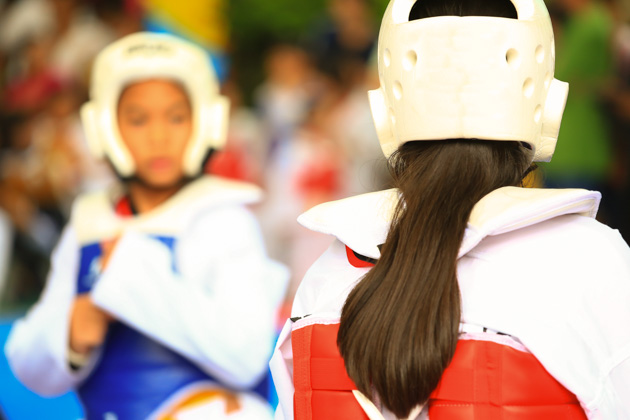
Most guardians are happy to trust you with their children, but some prefer to be more involved. In those cases, let parents sit in on the first class and show them what they are signing their kids up for. Another good idea is to host quarterly tournaments to let your kids show off to their family and friends. This is fun for all parties involved!
Overall, be courteous when communicating with the parents, and keep them in the loop of their children’s progress.
At the end of the day
Teaching children martial arts requires an open mindset. Make lessons fun above anything else, and you’ll keep your classes full. While there are some challenges you’ll have to face, above all else, you’ll find that this is a very rewarding endeavor. Some of your young students may be inspired to continue this art into adulthood because of you. And what’s more gratifying than positively influencing the next generation?
Here at WellnessLiving, we strive to offer your business everything you need to thrive. While you focus on creating fun lesson plans for your children and adult students alike, let us take care of the technical details for you! From scheduling, to managing payroll, to automated marketing, and more, we are an all-in-one solution.
Book a free, no-commitment demo today with one of our software specialists and let us help you grow your martial arts studio!
❓ Teaching Martial Arts to Children: FAQs ❓
Prioritize supervision, proper warm-ups, age-appropriate techniques, and safe equipment. Ensure mats are secure, partner drills are monitored, and contact levels match each child’s ability. Clear rules and structured transitions also prevent accidents.
Break the class into age-appropriate segments. Younger kids benefit from shorter activities with more movement and games, while older children can handle longer technical instruction. Start with warm-ups, then skill stations, partner practice, and finish with a cool-down and positive reinforcement.
Use positive reinforcement, consistent rules, and clear expectations. Redirect energy with structured activities, offer choices within limits, and address disruptions calmly. Engaging lessons and clear routines reduce behavior issues before they start.
Consistency matters. Two to three classes per week often yield steady progress in technique, fitness, and confidence. Encourage practice at home and celebrate small wins to keep motivation high between sessions. You can use automated tools to check in with students if they haven’t had a lesson in a while.
Use simple language, visual cues, demonstrations, and storytelling. Get on their level physically, ask open-ended questions, and give specific praise. Clear, encouraging feedback helps children feel understood and eager to improve. Stay in contact with parents through a custom app for your studio.